
The MicroKorg instruction manual guides users through every aspect of this compact synthesizer, from initial setup to advanced sound creation. It offers clear, step‑by‑step explanations, practical tips, and troubleshooting advice to help you master the device quickly.for musicians & producers!!!
Purpose of the Manual
Designed for musicians, producers, and hobbyists alike, this manual serves as a comprehensive guide to unlocking the full potential of the MicroKorg. It begins with a concise overview of the device’s core capabilities, then walks the reader through each step of the setup process, from unboxing to powering on. The text explains every button, knob, and display in clear, concise language, ensuring that even those new to synthesizers can quickly become comfortable with the interface. Subsequent sections delve into the device’s sound engine, offering detailed instructions on creating and editing patches, adjusting parameters, and utilizing the built‑in arpeggiator and sequencer. The manual also covers advanced features such as MIDI integration, external audio routing, and firmware updates, providing troubleshooting tips and best‑practice recommendations for maintaining optimal performance. Throughout, illustrative screenshots and diagrams illustrate key concepts, while practical examples demonstrate how to apply the MicroKorg’s versatile tools in real‑world production scenarios; Whether you’re looking to compose complex arrangements, perform live, or experiment with sound design, this manual equips you with the knowledge and confidence to make the most of every feature. By the end of this guide, users will be able to navigate the MicroKorg’s interface with ease, customize sounds to their exact specifications, and integrate the instrument seamlessly into any studio or performance setup. Additionally, the manual includes a troubleshooting section that addresses common issues such as power supply problems, connectivity glitches, and software errors, offering step‑by‑step solutions. It also highlights safety precautions and environmental considerations to protect both the user and the instrument. Finally, a quick‑reference cheat sheet summarizes essential controls and shortcuts for rapid access during live performance or studio sessions.
Target Audience
Designed for a diverse range of users, this manual speaks to beginners who are just discovering synthesizers, intermediate players seeking to deepen their understanding of the MicroKorg’s architecture, and seasoned professionals who need quick reference for advanced features. It addresses musicians, producers, sound designers, educators, and hobbyists, offering clear, step‑by‑step guidance that is accessible regardless of prior experience. The language is intentionally straightforward, avoiding excessive jargon while still providing the technical depth required for complex sound design. The manual also caters to live performers who require concise instructions for on‑stage setup, as well as studio engineers who need detailed information on routing, MIDI integration, and firmware management. By acknowledging the varied skill levels and use cases, the document ensures that every reader can find relevant sections that match their needs, whether they are creating simple melodic lines, building intricate arpeggiated textures, or programming full‑blown arrangements. The structure of the guide allows users to jump directly to sections that align with their immediate goals, while still providing a logical progression for those who wish to learn the entire workflow. In short, the target audience spans from the curious newcomer to the expert technician, all unified by a desire to master the MicroKorg’s versatility and expressive potential. Whether you are a touring performer, a home studio enthusiast, or a sound‑design researcher, this manual equips you with the knowledge, tools, and confidence to explore the MicroKorg’s full range of sonic possibilities, ensuring you can create, perform, and innovate creativity.!
Getting Started
Begin by unpacking the MicroKorg, verifying all components, and connecting the power supply. Turn on the unit, observe the status LEDs, and run the initial firmware check. Familiarize yourself with the basic layout before exploring deeper settings. Enjoy sound design.!

Unboxing the MicroKorg
When you receive your MicroKorg, begin by inspecting the outer packaging for any signs of damage. The unit is housed in a sturdy, padded box that protects the synthesizer and its accessories during transit. Carefully remove the protective film and open the box, revealing the MicroKorg, a 3‑pin power cable, a 5‑pin MIDI cable, a USB‑to‑serial adapter, a quick‑start guide, and a warranty card. The device itself is nestled in a foam cradle that keeps it stable and prevents scratches. Inside the cradle, you’ll find the MicroKorg’s front panel, complete with a 37‑key keyboard, a 16‑step arpeggiator, and a 4‑octave pitch‑bend wheel. The back panel is equipped with a 5‑pin MIDI IN, a 5‑pin MIDI OUT, a 5‑pin USB port for firmware updates, and a 3‑pin power connector. The quick‑start guide provides a concise overview of the essential controls, while the warranty card confirms your purchase and the duration of coverage. Before powering on, verify that all cables are intact and that the power supply is compatible with your region’s voltage. If any component is missing or damaged, contact the retailer or manufacturer immediately. Once you have confirmed that all items are present and in good condition, you can safely proceed to the next step: powering on and initial setup. This careful unboxing process ensures that your MicroKorg is ready for a smooth and enjoyable experience, setting the stage for creative exploration and sound design. Remember to keep the warranty card and quick‑start guide in a safe place for future reference, as they contain valuable information for troubleshooting and maintenance. By following these steps, you’ll be well‑prepared to dive into the world of synthesis and unlock the full potential of your new MicroKorg. Enjoy the journey!
Powering On and Initial Setup
Connecting the MicroKorg to a power source is the first step in bringing the instrument to life. Attach the supplied 3‑pin power cable to the back panel’s power input and plug the other end into a grounded outlet that matches the device’s voltage rating. Once the power is applied, the unit’s LED indicator will illuminate, confirming that the synthesizer has received power. Press the power button located on the front panel; the screen will display the current firmware version and a brief splash screen. If the screen remains blank, double‑check the power connection and ensure the outlet is functioning. After the initial boot sequence, the MicroKorg will automatically load the factory preset, allowing you to test the keyboard and basic controls immediately. To confirm the keyboard is responsive, play a few notes on the 37‑key keyboard; the sound should trigger without delay. Next, configure the MIDI settings if you plan to integrate the MicroKorg into a larger studio setup. Use the MIDI OUT port to connect to a DAW or external sequencer, and set the MIDI channel via the channel selection knob on the back panel. For USB connectivity, plug the USB‑to‑serial adapter into the MicroKorg’s USB port and connect the other end to your computer. This will enable updates and allow the device to in function as a MIDI controller. Finally, adjust the master volume using the volume knob on the front panel to a comfortable listening level. With these steps completed, the MicroKorg is fully powered on and ready for exploration.
Interface Overview
The MicroKorg’s interface blends a 37‑key keyboard with a display and intuitive controls. The front panel hosts the power button, volume knob, and a multi‑function button for mode selection. The back panel offers MIDIUSB and audio outputs, enabling studio integration.

Front Panel Features
The MicroKorg’s front panel is engineered for rapid access and intuitive control. At the top sits the power button, a single press turns the unit on or off, and a brief hold activates the reset function. Below it, a large, high‑contrast display shows the current mode, parameter values, and waveform shape, allowing real‑time monitoring of changes.
Central to the panel is the multi‑function button, which cycles through the major sections: Patch, Arpeggiator, Modulation, and Settings. Each press brings up a dedicated screen with context‑sensitive knobs and sliders. The volume knob, located beside the button, offers a smooth, linear response for immediate level adjustments.
Additional controls include the Bank and Program selectors, which allow you to navigate through the 128 available patches and 16 banks with a single click each. A Sync button provides MIDI clock synchronization, and a USB port on the right side facilitates firmware updates and data transfer.
Finally, the front panel features a Reset button, a Mute switch, and a Note Off button that stops all notes instantly, ensuring you can quickly manage performance dynamics. Together, these elements create a streamlined workflow for both studio and live settings.
Each knob is labeled with a clear icon: the pitch bend wheel, modulation wheel, and aftertouch slider provide expressive control. The side panel includes a dedicated Octave button that shifts the keyboard range up or down by one octave, while the Velocity knob adjusts the sensitivity of the keys. The Pan knob allows you to position the sound within the stereo field, and the Filter knob shapes the harmonic content.
The front panel also incorporates a Preset button that cycles through the built‑in presets, and a Learn button that enables MIDI CC mapping. The Auto‑Save feature ensures that any changes made to a patch are stored automatically, preventing accidental loss of work.
For live performance, the front panel’s Performance Mode button instantly switches the synthesizer to a simplified interface, hiding complex parameters and displaying only the most essential controls. This mode is ideal for quick improvisation and stage use;
Back Panel Connections
The MicroKorg’s back panel is designed for versatility and ease of integration into any setup. It offers a range of standard and specialized connections to accommodate studio and live environments. The main power input is a 12V DC barrel jack, ensuring reliable operation from a dedicated power supply or a regulated battery pack. A dedicated USB port provides both data transfer and MIDI over USB, allowing firmware updates, patch management, and seamless integration with DAWs.
For audio routing, the device features a stereo Line‑Out jack and a mono Headphone output, each with a 1/4‑inch TRS connector. The Line‑In jack accepts external audio for effects processing or sample triggering. A MIDI In and MIDI Out pair, using a 5‑pin DIN connector, enable full MIDI control and synchronization with external gear. The Sync In and Sync Out ports allow the MicroKorg to function as a master or slave in a multi‑device MIDI clock network.
All connectors are labeled clearly, and the panel layout follows a logical flow from power to audio to MIDI to control, ensuring that users can quickly identify and connect the required cables. The back panel’s robust construction protects the ports from dust and accidental damage, making the MicroKorg a reliable companion for touring musicians and studio engineers alike. All ports are shielded for integrity in.

Basic Operations
The MicroKorg’s basic operations involve simple key play, parameter adjustments, and preset navigation. Use the keyboard to trigger notes, the knobs for real‑time control, and the menu to select sounds. The device’s responsive interface allows quick sound changes and live performance. Set volume with the knob!!!!
Playing Notes with the Keyboard
To begin, position the MicroKorg so that the 37‑key keyboard is comfortably reachable. The keys are velocity‑sensitive, allowing expressive dynamics from soft touch to full force. When you press a key, the device immediately triggers the selected oscillator, and the sound envelope shapes the attack, decay, sustain, and release. Adjust the envelope parameters in real time using the corresponding knobs to sculpt the timbre. The keyboard also supports aftertouch, which can modulate filter cutoff or vibrato when the key is pressed harder after the initial attack. For polyphonic play, simply press multiple keys simultaneously; the MicroKorg will allocate voices automatically, ensuring smooth transitions between notes. If you wish to play a single note with a sustained effect, engage the sustain pedal or hold the key down; the device will maintain the note until the key is released. The pitch bend wheel located on the left side of the keyboard allows subtle or dramatic pitch modulation, while the modulation wheel on the right side can add vibrato or other effects. By combining these controls, you can perform complex musical passages, from simple chords to intricate arpeggios, all within the compact form factor of the MicroKorg. Experiment with different presets to hear how the same key input can produce vastly different sounds, and use the octave shift buttons to transpose the keyboard range up or down by an octave. This flexibility makes the MicroKorg suitable for live performance, studio recording, or educational purposes. Remember to keep the keyboard clean and free of debris to maintain accurate key response and longevity of the instrument.
The MicroKorg’s compact design does not compromise on performance; its intuitive controls make it a favorite among touring musicians and studio engineers alike. Its versatile sound engine, featuring analog digital synthesis, allows you to craft everything from pads leads.
Using the Arpeggiator
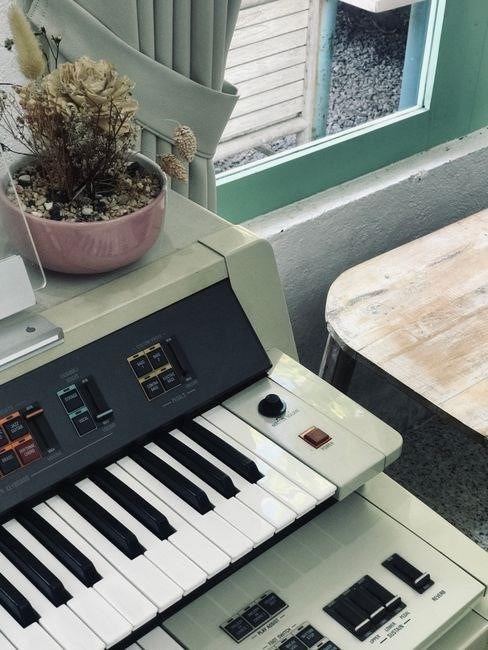
The MicroKorg’s arpeggiator turns held chords into rhythmic patterns, adding motion to static harmony. To activate it, press the ARP button on the front panel; the display will show “ARP” and the arpeggiator menu appears. Choose a pattern—UP, DOWN, UP/DOWN, or RANDOM—by cycling through the options with the STEP knob. The STEP control also sets the number of notes per pattern, ranging from 1 to 16. Tempo is adjustable via the TEMPO knob; a higher value speeds up the sequence, while a lower value slows it. The RATE knob determines how many times the pattern repeats per beat, allowing syncopated or steady flows. For more complex timing, enable the SLIP mode; this lets the arpeggiator continue its sequence even when the key is released, creating a continuous loop; The CHORD mode can be toggled to have the arpeggiator play the held chord itself, rather than a preset sequence. To fine‑tune the output, use the FILTER knob to shape the harmonic content of the arpeggiated notes. The LFO button can add modulation to the arpeggiator, creating vibrato or tremolo effects that evolve over time. When you want to stop the arpeggiator, simply press the ARP button again or release all keys if SLIP is off. Experiment with different oscillator settings and envelope shapes while the arpeggiator runs to discover new textures. The arpeggiator is ideal for building basslines, pads, or lead lines that maintain rhythmic consistency, especially during live performance or arrangements. Practice layering arpeggiated sequences with other sounds to create rich, evolving soundscapes that showcase the MicroKorg’s versatility.
Advanced Features
Explore the MicroKorg’s advanced capabilities: layer multiple voices, use the built‑in sequencer, tweak the low‑pass filter cutoff, and employ the LFO for evolving modulation. Combine these tools with the arpeggiator and external MIDI to create complex, evolving soundscapes. Enjoy creativity!!
Sound Design and Editing
Begin by selecting a preset, then use the Patch Editor to sculpt the sound. The MicroKorg offers three oscillator modes—Analog, FM, and Waveguide—each with distinct timbral characteristics. Adjust the Oscillator 1 and Oscillator 2 levels, detune, and mix ratio to create rich harmonic content.
The Filter section allows you to shape the frequency spectrum. Choose between a low‑pass, high‑pass, or band‑pass filter, set the cutoff frequency, resonance, and drive. Use the LFO to modulate filter cutoff, oscillator pitch, or amplitude for evolving textures.
Use the Envelope Generator (EG) to control attack, decay, sustain, and release. For percussive sounds, set a fast attack and short decay; for pads, use a slow attack and long sustain. The Portamento slider enables smooth glide between notes.
To add depth, enable the Reverb and Delay effects. Adjust mix level, decay time, and feedback. The MicroKorg’s built‑in Looper can record short patterns, which you can layer and manipulate in real time.
Save custom patches by pressing Store and selecting an empty slot. Use the Global menu to tweak master volume, MIDI settings, and power‑saving options. Regularly back up your patches via USB to preserve your sonic library.
Experiment with modulation routings: route the Mod Wheel to filter, LFO, or envelope parameters. Combine multiple modulation sources for complex, evolving timbres. The MicroKorg’s flexible architecture invites endless sonic exploration.
Connectivity and Maintenance
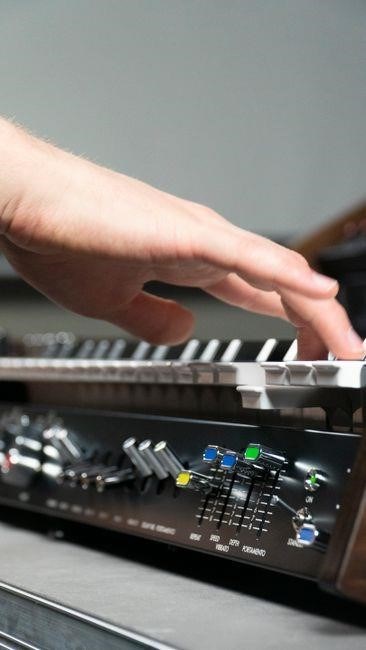
The MicroKorg offers versatile connectivity to integrate into studio or live setups. Front panel has 1/4″ stereo line‑out, headphone jack, and MIDI In/Out/Thru. Rear panel adds USB‑to‑Serial for firmware updates, a power input, and a dedicated power supply.
Use the USB port to connect to a computer for DAW integration, patch management, and firmware upgrades via the official editor. The MIDI In accepts controller data; MIDI Out sends note information; Thru chains multiple devices.
Maintenance is straightforward. Keep the unit dry and dust‑free. Clean the keyboard and front panel with a soft, dry cloth. Avoid liquids or abrasives. Inspect power and USB cables for wear and replace if damaged.
Firmware updates: connect via USB, launch MicroKorg Editor, select firmware file, and follow prompts. Keep power stable during update. After reboot, verify firmware version in System menu.
If the MicroKorg does not respond, check the 7.2 V DC power supply, ensure cables are secure, and test the power button. A reset can be done by holding the power button for 10 seconds while unplugged.
For storage, use the supplied case or padded bag. Power off and remove the battery if storing long term. The compact size is portable, but handle with care to preserve longevity. Regularly back up patches via USB to safeguard your custom sounds. Keep the unit in a controlled environment to avoid condensation and ensure performance today OK